Flats Fishing Charter in Jacksonville FL
Flats Fishing in Jacksonville - What to Expect
Fishing Charter by Captain Andrew Thompson in November

- Experience Jacksonville's Premier Fishing Charters


Summary
Discover flats fishing on a fishing charter in Jacksonville, Florida with experienced guidance and quality inshore opportunities. This November Thursday experience combines shallow-water technique with local knowledge of Jacksonville's productive flats ecosystem.
Fishing Charter with Captain Andrew Thompson - Rates & Booking
Captain Andrew Thompson of MARSHRATS Inshore Charters operates on Thursday, November in Jacksonville, bringing decades of local expertise to flats fishing. When you book a fishing charter with this operation, you're gaining access to proven techniques and an intimate knowledge of Jacksonville's inshore waters.
Flats fishing in Jacksonville relies on specialized equipment and positioning. The charter focuses on shallow-water environments where precision and quiet approaches matter. Booking includes professional guidance on technique, species-specific strategies, and the local conditions that make Jacksonville's flats productive throughout the season. Contact MARSHRATS Inshore Charters directly to confirm availability, group size options, and current rates for your preferred date.
Highlights of Jacksonville Flats Fishing
Jacksonville's flats environment offers consistent opportunities for inshore species targeting. The shallow, clear waters require a different skillset than offshore fishing - anglers learn to read the water, identify feeding behavior, and execute precise casts. Captain Andrew Thompson specializes in this demanding but rewarding pursuit, where patience and observation directly impact success.
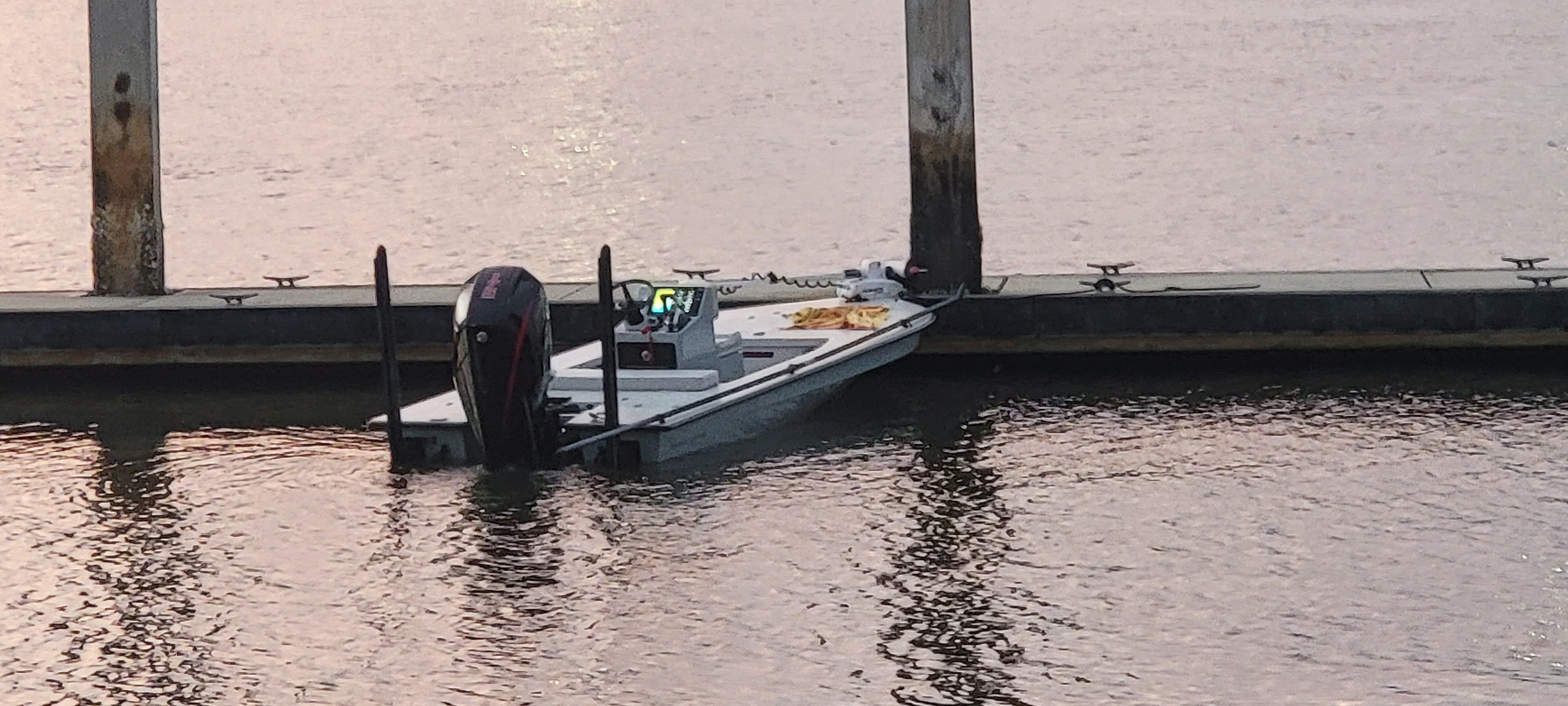
The boat setup reflects flats-specific design needs. The outboard motor allows shallow-draft positioning without sacrificing power for getting to and from fishing grounds efficiently. Jacksonville's pier and docking infrastructure supports easy access to the Gulf and tributary systems where flats fishing opportunities emerge.
Flats Fishing Experience and Technique
Flats fishing demands understanding of water clarity, bottom composition, and tidal influence. In Jacksonville's inshore environment, water depth typically ranges from one to eight feet - shallow enough that fish behavior becomes visible to an attentive angler. The technique centers on sight fishing or detecting subtle rises and feeding signs rather than blind casting.
Environmental factors heavily influence flats success. Water temperature, tide stage, wind direction, and cloud cover all shift where fish position themselves and how responsive they become to presentations. Captain Andrew Thompson reads these variables daily, adjusting strategy to match current conditions rather than applying one-size-fits-all methods.
Shallow-water fishing builds specific casting skills. Accuracy matters more than distance. Presentations must be natural and delicate - too aggressive an approach spooks feeding fish in clear, shallow water. Anglers learn to control casting distance, manage line, and work lures or live bait with subtle movements that trigger feeding responses without alarming their target.
Jacksonville's flats support diverse species depending on season and location. Redfish favor shallow grassy areas and are known for their strong runs and head-shaking fights. Snook relate to structure like mangroves, drop-offs, and docks. Tarpon occasionally appear in deeper flats channels. Sea trout hunt in soft-bottom areas. Each species requires slightly different approach angles, lure selection, and fight management.
The boat's configuration supports effective flats fishing. Outboard-powered vessels allow quiet operation in sensitive shallow areas - electric trolling motors or poling platforms position anglers for sight fishing without creating disruptive noise or pressure. Deck space accommodates the casting motion required for accurate presentations. The overall design prioritizes positioning ability and minimal water disturbance.
Weather and water conditions directly affect flats fishing success rates. Clear water means fish see better but also flee more easily from perceived threats. Cloudy conditions reduce visibility for sight fishing but often increase feeding activity. Wind creates surface disruption that can help mask boat presence or make sight fishing nearly impossible depending on intensity. Tidal movement delivers fresh water and food sources, triggering predictable feeding windows.
A successful flats fishing day combines boat positioning, reading environmental cues, and executing proper technique. Captain Andrew Thompson's experience lets you learn these interconnected skills while pursuing fish in Jacksonville's productive inshore environment. The charter format lets anglers focus on fishing and learning rather than navigation and boat handling.
